What should you check before choosing electrical cables for a building in Dubai? The wrong choice can lead to faults, delays, and extra costs later. Start with the basics: the cable type, the size, and how much power it will carry. Then consider where it’s going, because a cable inside a wall has different needs than one running outdoors or underground. Dubai also has its own rules, and qualified people should do the work. In this article, we’ll cover electrical cable supply and installation in Dubai.
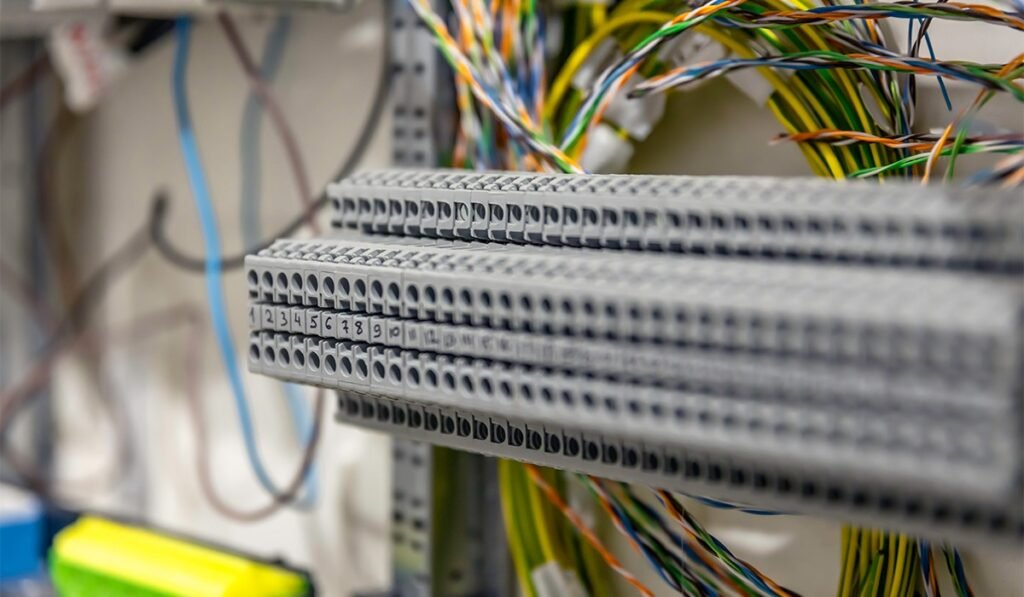
Electrical cables come in many types and sizes, so there’s no single right answer. What you pick depends on how much load the cable has to carry, where it’s being installed, how hot that place gets, and what it’s for.
Two insulation materials you’ll see a lot are PVC and XLPE. This is how they compare:
| PVC cables | XLPE cables | |
|---|---|---|
|
Full form Heat resistance Flexibility Cost Where it’s used |
Polyvinyl Chloride Lower Usually flexible Cheaper Normal wiring inside buildings |
Cross-Linked Polyethylene Higher Depends on how the cable is built Usually costs more Power distribution and heavy-load jobs
|
PVC cables are what you’ll usually find in everyday building wiring. XLPE cables are picked when the cable has to handle more heat or run at higher temperatures. But don’t choose this alone. Check the cable’s technical rating and what your project actually needs.
Buying electrical cable isn’t just buying wire. The cables have to match your project’s electrical design and the place they’ll be installed in. A good power cable supplier in the UAE should help you sort out these things:
For commercial cabling Dubai and industrial jobs, read the datasheet before you order anything.
Proper cable installation in Dubai means fewer faults, less overheating, and less damage. On a normal job, the work goes in this order:
A qualified electrical contractor in Dubai should do this.
Doing electrical work in Dubai? You can’t just start. There are local rules, and you need approvals first. DEWA’s Electricity Installations Regulations are the ones to read. They tell you what’s needed for permits, design approval, and inspection.
Also, some private cable-laying jobs (low-voltage and medium-voltage) can only be done by a contractor DEWA has approved. They put the list of approved contractors on their website, so you can check before you sign anyone.
If you’re the owner, ask your consultant and contractor straight up: are you approved for this exact work? What’s needed changes with the type and size of the project, so don’t assume.
These mistakes in electrical cable supply Dubai can make your electrical work unsafe, and they cost money too:
Experienced electrical contracting services in UAE can help you avoid all of this.
Yes. It depends on your project. You may need DEWA design approvals and inspections, or you may have to use an approved contractor.
It catches installation faults early. It also tells you the system is safe before the power goes on.
No. Price is only one part of it. Look at the quality, the specifications, your safety needs, and whether the cable actually suits the job.
Cable installation in Dubai is one job you don’t want to hurry. Get the plan sorted first, buy good quality cable, and follow the local rules. Once it’s in, test it properly. Missing even one of these can cause trouble later.
Before you start, go through the cable specs properly. And try to work with people who really know DEWA’s requirements.
Need a team for cable supply and installation? Texon Electromechanical LLC can help.

Texon Electromechanical LLC is a MEP contracting company in Dubai delivering HVAC, electrical, plumbing, commercial and residential maintenance services across the city with reliable and compliant execution.
Garhoud community - 412 - Al Garhoud - Dubai
Copyright © 2026 All Rights Reserved By Texon