Preloader

How Can HVAC Systems Reduce Energy Costs in Buildings?

How Can HVAC Systems Reduce Energy Costs in Buildings?

HVAC energy efficiency plays a significant role in how buildings manage their overall energy costs. In most commercial and residential spaces, HVAC systems account for a large portion of total energy consumption. What often goes unnoticed is that small inefficiencies in system performance can lead to consistently higher energy usage over time. Instead of focusing only on reducing usage, the focus needs to shift towards improving how the system operates. Let’s look at how HVAC systems influence energy consumption and what actually helps in reducing costs.

HVAC Energy Efficiency Strategies to Reduce Costs

How HVAC Systems Influence Overall Energy Consumption

The way an HVAC system is designed, operated, and maintained directly impacts how much energy it consumes.

System Load and Sizing

When a system is not correctly sized for the space, it either overworks or underperforms. Oversized systems tend to cycle on and off frequently, while undersized systems run continuously to meet demand. Both scenarios reduce HVAC energy efficiency and increase overall consumption.

Continuous Operation and Usage Patterns

HVAC systems often run for long hours, especially in commercial buildings. Without proper control mechanisms, systems continue operating even when full capacity is not required. This leads to unnecessary energy usage and affects long-term HVAC energy efficiency.

Airflow and Distribution Efficiency

Poor airflow or uneven distribution forces the system to work harder to maintain desired temperatures. When certain areas are overcooled or undercooled, the system compensates by increasing output, which impacts HVAC energy efficiency and increases costs.

Equipment Condition and Performance

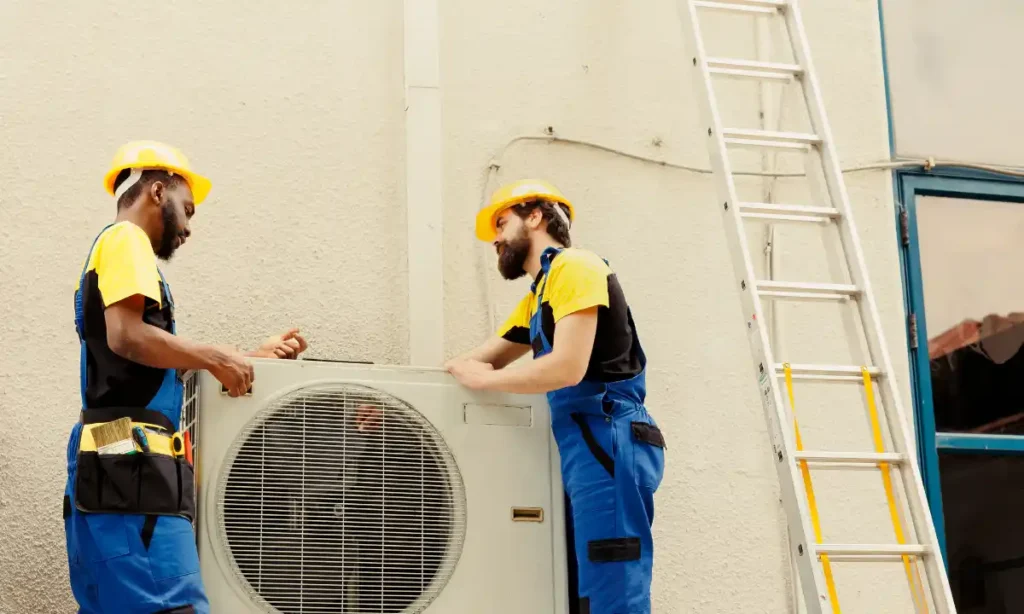
Over time, components such as filters, coils, and motors lose efficiency if not maintained regularly. This increases the load on the system and reduces overall performance, directly affecting HVAC energy efficiency.

What Actually Helps Improve HVAC Efficiency

Improving HVAC performance is less about reducing usage and more about optimizing how the system functions.

  • Regular maintenance and servicing: Routine inspections and servicing ensure that all components are functioning efficiently. Clean filters, well-maintained coils, and properly calibrated systems reduce unnecessary energy load.
  • Upgrading outdated components: Older systems or components tend to consume more energy. Replacing them with energy-efficient alternatives can significantly improve HVAC energy efficiency.
  • Improving insulation and airflow management: Proper insulation helps maintain indoor temperature, reducing the load on the HVAC system. At the same time, optimized airflow ensures that cooling or heating is evenly distributed.
  • Using smart controls and automation: Smart systems allow better control over operation, adjusting performance based on actual demand. This reduces wastage and supports consistent HVAC energy efficiency.

The Role of Experts

Achieving consistent efficiency requires more than basic adjustments. HVAC systems need to be evaluated and managed based on how the building operates.

Working with an experienced HVAC company in Dubai ensures that system design, maintenance, and upgrades are handled with a long-term perspective. Professionals can identify inefficiencies that are not always visible and recommend solutions that improve performance over time.

At Texon Electromechanical LLC, the focus is on optimizing system performance through structured maintenance, proper planning, and targeted improvements. This approach ensures that HVAC energy efficiency is not treated as a one-time fix but as an ongoing process that supports reduced energy costs.

FAQs

By improving system performance, reducing inefficiencies, and optimizing operation based on actual usage.

Regular servicing, typically scheduled periodically, helps maintain efficiency and prevent performance issues.

In many cases, upgrading outdated components can significantly improve performance and reduce energy consumption.

Summing Up

Reducing energy costs through HVAC systems depends on how efficiently the system is designed, maintained, and operated. Small performance improvements can lead to noticeable savings over time. By focusing on system optimisation and working with experienced providers like Texon Electromechanical LLC, businesses can ensure that HVAC energy efficiency is maintained consistently, supporting both cost control and long-term operational performance.

Need Help?