Your AC bill goes up every June. You assume it’s just the heat. But what if the real problem isn’t your chiller at all it’s the pipes carrying water through your building, silently losing or gaining heat every single hour of the day? For commercial property owners and facility managers across Dubai, pipe insulation is one of the most overlooked line items in a building’s MEP system and one of the cheapest to fix.
In a climate where outdoor temperatures regularly cross 45°C, the difference between well-insulated and poorly insulated piping isn’t cosmetic. It shows up directly in your utility bills, your maintenance costs, and sometimes in water stains on your ceiling that nobody can explain.
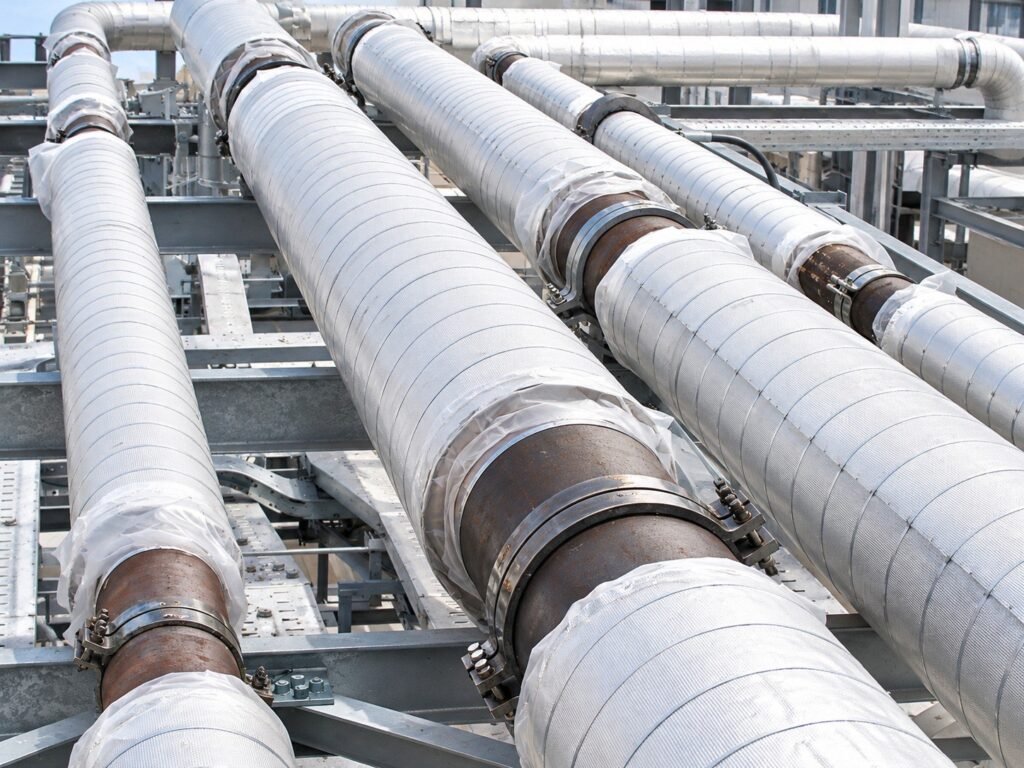
Most insulation guides are written for temperate climates, where the main concern is simply keeping hot water hot. Dubai’s situation is different and arguably more demanding because buildings here are fighting heat from two directions at once: keeping chilled water cold against relentless ambient heat, and keeping hot water systems efficient despite extreme external temperatures.
Without proper pipe insulation Dubai buildings typically experience:
None of this is hypothetical. It’s the single most common reason commercial buildings in the UAE see unexplained spikes in HVAC-related energy costs and it’s almost always fixable without major construction work.
Not all insulation is built for the same job. Here are the main pipe insulation types used across Dubai’s commercial sector, and where each one fits:
| Insulation Type | Best For | Moisture Resistance | Fire Performance |
|---|---|---|---|
|
Elastomeric Foam Fiberglass Polyurethane Foam Calcium Silicate Mineral Wool |
Chilled water, refrigeration Hot water, steam (with vapor barrier) Pre-insulated/large commercial lines High-temperature industrial lines Fire-rated zones, risers, shafts |
Excellent Poor (needs wrap) Good Good Moderate |
Moderate Good Moderate Good Excellent |
Heat marks, discoloration, burnt smells, or damaged insulation are all the possible signs of electrical problems. So never ignore these signs if you spot them around breakers, terminals, or cable connections. A technician investigates the issue and finds out whether it needs tightening, repair or replacement. If your building has high electrical loads, check for overheating.
The right pipe insulation type depends on three things: what’s running through the pipe, where the pipe is located, and what your fire and safety compliance requirements demand.
For chilled water lines which make up a huge share of commercial MEP systems in Dubai elastomeric foam is almost always the better choice over fiberglass, purely because of how effectively it manages condensation in a humid climate. Hot water and steam lines, on the other hand, can often use fiberglass economically, provided the vapor barrier is installed correctly and maintained.
Fire-rated zones change the equation entirely. If your building’s riser shafts or escape routes require non-combustible materials under UAE fire codes, mineral wool often becomes a requirement rather than a preference, regardless of thermal performance alone.
This is exactly where a generic, catalog-based insulation spec falls short and where working with an experienced MEP contracting company in Dubai makes a measurable difference. The right contractor doesn’t just install insulation; they match the material to your building’s actual mechanical load, humidity exposure, and compliance obligations from day one.
A few patterns show up again and again in older or poorly maintained commercial buildings across Dubai:
Each of these is inexpensive to prevent and expensive to ignore the kind of maintenance gap that doesn’t show up until an energy audit or a water-damaged ceiling forces the issue.
Dubai’s heat and humidity put constant stress on piping. Without insulation, chilled water pipes absorb heat and force chillers to work harder, and humid air condenses on cold surfaces, which can damage ceilings, walls, and flooring. Hot water pipes lose heat along the run, which wastes energy.
Elastomeric foam is widely used for chilled water and refrigeration piping. Its closed-cell structure resists moisture absorption, which helps control condensation in humid conditions. Your consultant or contractor should confirm the right thickness and specification for your system.
Requirements depend on the project, system type, and applicable regulations. Confirm them with your consultant, the relevant authority, and the project specification.
Pipe insulation rarely gets the attention it deserves, but in Dubai’s climate it has a direct, measurable impact on your building’s energy costs, equipment lifespan, and risk of condensation-related damage. Whether you’re specifying insulation for a new commercial fit-out or auditing an existing building’s MEP systems, getting the material right elastomeric for chilled water, fiberglass with proper vapor barriers for hot water, mineral wool where fire codes demand it pays for itself many times over.
Texon Electromechanical LLC works with commercial buildings across Dubai to assess, specify, and install the right pipe insulation solution for their specific HVAC and plumbing systems, built to hold up against the region’s heat and humidity rather than relying on a generic, one-size-fits-all spec.
If you’re looking for professional support, you can connect with Texon Electromechanical LLC for all your electrical panel maintenance needs.

Texon Electromechanical LLC is a MEP contracting company in Dubai delivering HVAC, electrical, plumbing, commercial and residential maintenance services across the city with reliable and compliant execution.
Garhoud community - 412 - Al Garhoud - Dubai
Copyright © 2026 All Rights Reserved By Texon