Choosing from the types of drainage pipes in Dubai for a commercial construction project, but not sure which material suits your building? It matters, because pipes do different jobs. Some bring in clean water. Some carry wastewater away. A few are part of heating and cooling systems. If the material is wrong, leaks can start. Maintenance goes up, and so do repair costs. So think about where the pipes will be installed and what they have to carry. In this guide, we’ll explain six common pipe materials, their uses, and what you should check before selecting pipes for your commercial project.
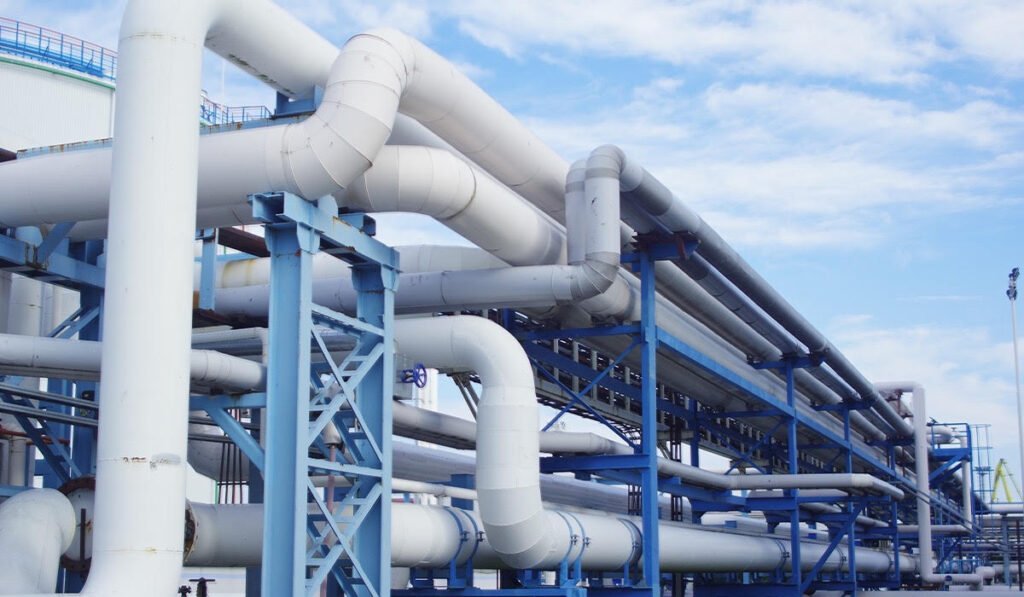
PVC (polyvinyl chloride) pipes are light, cost-effective, and resistant to corrosion. You’ll mostly see them as one of the types of drainage pipes in Dubai, in drainage, wastewater, and cold-water systems where they’re suitable.
Key Characteristics:
CPVC stands for chlorinated polyvinyl chloride. Compared with standard PVC, one of the types of drainage pipes, it copes with higher temperatures. You’ll find it in certain hot- and cold-water plumbing systems.
Key Characteristics:
HDPE (high-density polyethylene) pipes are flexible. They’re durable too, and they resist corrosion. Water supply networks and underground piping are where they’re commonly used. Some drainage applications use them too, making them one of the types of drainage pipes in Dubai.
Key Characteristics:
PEX is cross-linked polyethylene, a flexible plastic pipe. It goes into hot- and cold-water plumbing systems, as long as the system suits it. The pipe bends, so a layout can sometimes manage with fewer fittings. Tight spaces are easier for plumbing contractors in Dubai underground drainage systems to work in as well.
Key Characteristics:
Plumbing systems have used copper for a very long time. It’s durable, and it handles hot- and cold-water applications that suit it. Many plastic pipes from drainage pipe suppliers Dubai cost less than copper. Installing copper may also take specialised tools and skills. If you want a robust plumbing system, copper is a good option.
Key Characteristics:
Commercial buildings use steel pipes in several services. Selected heating systems, mechanical systems, and fire protection systems are some of them. Steel pipes make sense when a job needs a particular pressure or structural performance, because of their strength.
Key Characteristics:
Before choosing the best pipe material for drainage or any other job, compare the main features of each material. This table provides a general guide; actual suitability depends on the specific product and application.
| Pipe material | Common applications | Main benefit | Important consideration |
|---|---|---|---|
|
PVC CPVC HDPE PEX Copper Steel |
Drainage, suitable for cold-water systems Suitable for hot- and cold-water plumbing Water supply, underground piping Hot- and cold-water plumbing Plumbing and water distribution Mechanical and selected fire protection systems |
Affordable and corrosion-resistant Handles higher temperatures than PVC Flexible and corrosion-resistant Flexible and easy to route Durable Strength |
Temperature limits Product ratings and code approval Jointing and installation Approval for intended use Cost and water chemistry Corrosion protection |
Before ordering materials for your building, check the following:
Your engineer or contractor. They already know how your plumbing or mechanical system is set up. Which material suits it is something they can tell you.
PVC has temperature limits, so it isn't a good fit where the system runs hot. CPVC takes higher temperatures. That's the one people usually look at for hot-water systems. Read the product's ratings before you buy.
CPVC is chlorinated PVC. It can handle higher temperatures than standard PVC. Certain hot- and cold-water plumbing systems use it.
Pipes for a commercial building aren’t a price decision alone. The material has to match your plumbing or mechanical system. It also has to perform reliably in the conditions you expect. PVC, CPVC, HDPE, PEX, copper, and steel are each used differently, and every one of them has limitations. Your engineer or contractor should hear your requirements before you buy anything, and the applicable standards need checking as well.
If you need help with your project, Texon Electromechanical LLC is one company you can get in touch with.

Texon Electromechanical LLC is a MEP contracting company in Dubai delivering HVAC, electrical, plumbing, commercial and residential maintenance services across the city with reliable and compliant execution.
Garhoud community - 412 - Al Garhoud - Dubai
Copyright © 2026 All Rights Reserved By Texon