
The following materials are commonly used for underground drainage systems Dubai:

Are you currently planning underground drainage systems Dubai layouts for a new project? Well, choosing between materials and methods can be a daunting task. Besides, you’ll have to adhere to the multiple protocols to ensure the right installation method is in place. Let’s explore the key important considerations.
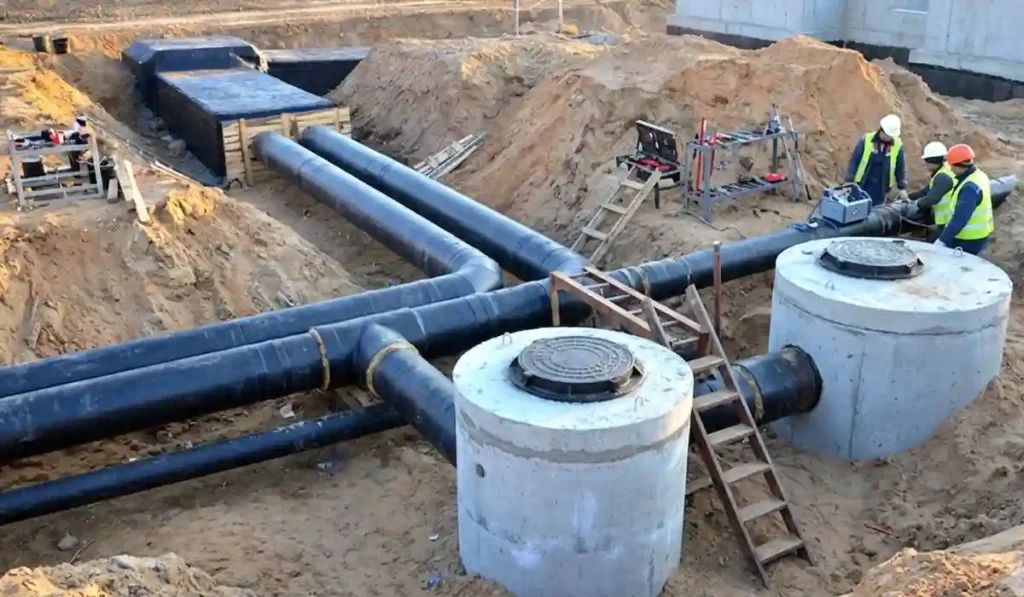
The following materials are commonly used for underground drainage systems Dubai:
Polyvinyl chloride remains a staple choice across modern civil layouts due to its impressive structural durability and total corrosion resistance. These smooth-bore lines prevent heavy scaling, making them ideal for standard residential wastewater disposal and light commercial networks.
High-Density Polyethylene solutions offer unmatched structural flexibility and extreme joint strength under high external stress. Their ability to bend without cracking makes them perfect for deep ground installations.
Heavy-duty concrete lines are the industrial standard. These rugged channels provide the immense load-bearing capacity required beneath major highways and heavy-duty industrial estates.
Known for their traditional durability and extreme acoustic dampening properties, cast iron lines find specialized usage in high-rise basements and heavy industrial processing facilities. They withstand extreme temperature fluctuations and chemical exposure far better than standard plastics.
Selecting the right drainage pipe materials Dubai suppliers offer ensures your subterranean network remains insulated from local soil acidity and intense groundwater conditions.
The common drainage methods used for underground drainage systems Dubai include the following:
This is the most traditional yet practical installation approach. It focuses on excavating open channels, ensuring easy structural accessibility and inspection before backfilling.
Slope and alignment planning is critical for underground drainage systems Dubai. It helps in maintaining flow efficiency. If a slope is too gentle, solids settle and cause blockages; if it is too steep, liquids drain too fast, leaving debris completely stranded in the line.
Connection and inspection points should be integrated with robust materials. These grids remain serviceable for decades of continuous operation. So understanding drainage construction methods and choosing the right method makes the whole difference.
Follow this checklist to ensure long-term performance:
Subterranean fluid dynamics require highly advanced technical planning, hydrologic modeling, and flawless execution on-site. Therefore, it becomes essential to work with experienced developers and Plumbing contractors in Dubai to ensure underground drainage systems are designed and installed according to strict project requirements. At Texon Electromechanical LLC, our experts will conduct proper inspection to ensure installation and maintenance are aligned.
PVC and HDPE are ideal for standard utility lines, whereas heavy-duty concrete and cast iron handles are ideal for large municipal and industrial loads.
Regular cleaning prevents sand buildup and calcified blockages, ensuring lines stay fully clear to handle sudden seasonal downpours.
Soil stability, localized water table depth, surface traffic loads, and natural terrain elevations dictate how trenches are engineered.
Underground drainage systems Dubai requires proper planning for effective long-term performance. If you want to secure your next major development with an optimized, long-lasting utility grid, choose experienced Plumbing contractors in Dubai. Align your operations with experts at Texon Electromechanical LLC to ensure underground drainage systems Dubai is executed as per the standard guidelines and protocols.

Texon Electromechanical LLC is a MEP contracting company in Dubai delivering HVAC, electrical, plumbing, commercial and residential maintenance services across the city with reliable and compliant execution.
Garhoud community - 412 - Al Garhoud - Dubai
Copyright © 2026 All Rights Reserved By Texon