When water is not guided correctly, it doesn’t disappear; it settles around foundations or structural zones. This constant presence of moisture can gradually weaken materials and create long-term stability concerns.

Why do so many buildings develop water problems years after construction is complete? Proper drainage in construction is rarely prioritised at the design stage yet it is one of the first systems to fail when overlooked. Water accumulates gradually, finds structural weak points, and creates seepage and maintenance issues that grow more costly over time. Here is why getting drainage design right from the start matters.
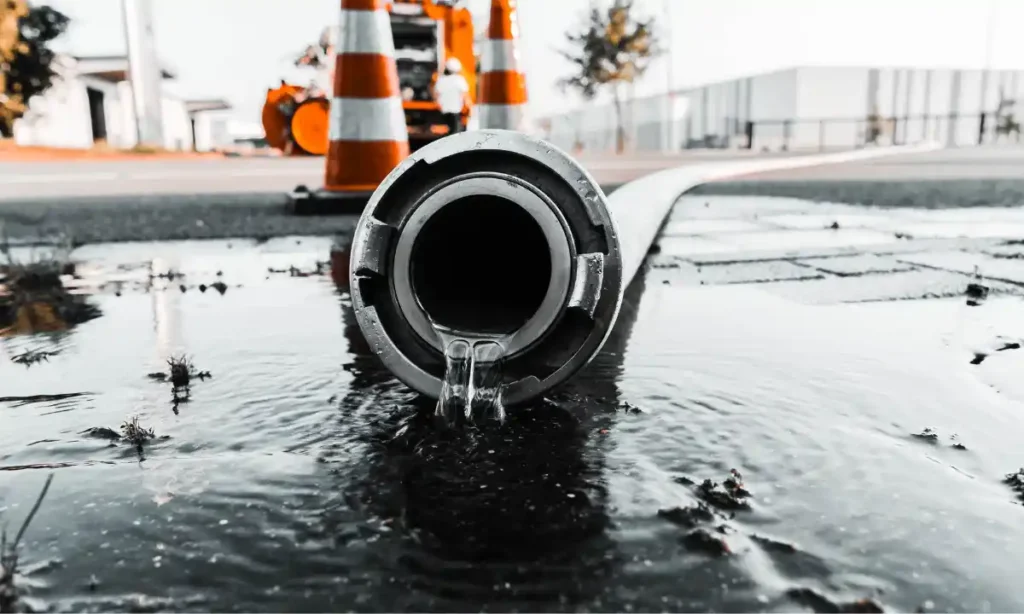
Drainage issues develop slowly and often go unnoticed until they begin affecting multiple parts of the building. Here are the critical challenges it may lead to:
When water is not guided correctly, it doesn’t disappear; it settles around foundations or structural zones. This constant presence of moisture can gradually weaken materials and create long-term stability concerns.
Once water starts entering unintended areas, it spreads through walls, ceilings, or flooring. This is where visible damage begins, peeling surfaces, damp patches, and eventually conditions that affect indoor air quality.
Drainage systems that are not designed with correct flow dynamics often struggle under load. Instead of directing water out, they slow it down, leading to blockages or reverse flow during peak usage.
Each of these situations points back to the same gap: proper drainage in construction was not addressed with enough precision at the design stage.
Good drainage is all about anticipating water movement. Here are the key elements of proper drainage design to focus on,
Water follows the path it is given. If that path is not calculated correctly, even a well-installed system will underperform. Small deviations in slope can change how efficiently water moves through the system.
Drainage networks need to match the load they are expected to handle. Undersized systems may work initially but struggle over time as usage increases.
Drainage doesn’t operate independently. It needs to align with structural layouts, plumbing systems, and architectural planning. When these elements are not coordinated, inefficiencies begin to show during usage.
Even well-designed systems require periodic checks. Without proper access points, identifying and resolving issues becomes unnecessarily complex.
These considerations form the foundation of proper drainage in construction, ensuring that the system performs as intended beyond installation.
Drainage is not visible in daily operations, but its absence is.
Buildings with well-planned drainage systems tend to perform more consistently over time. They face fewer water-related issues, require less reactive maintenance, and maintain structural integrity more effectively.
On the other hand, poor drainage design leads to repeated interventions, repairs, adjustments, and ongoing monitoring. This is where the importance of proper drainage in construction becomes evident, not as a one-time task, but as a long-term performance factor.
Drainage design is not just about laying pipes. It is about understanding how water interacts with the entire structure.
Experienced Plumbing contractors in Dubai evaluate site conditions, building usage, and system load before finalising a drainage plan. This ensures that the system is not only functional but also sustainable over time.
At Texon Electromechanical LLC, drainage planning is approached as part of a larger system strategy. The focus remains on aligning design, execution, and long-term usability so that the system continues to perform without creating operational challenges.
This level of planning ensures that proper drainage in construction is implemented with both technical accuracy and practical foresight.
It helps manage water flow, prevents structural damage, and maintains building hygiene.
Improper slope, incorrect pipe sizing, and lack of coordination during design are common causes.
By planning the system accurately during construction and ensuring proper installation and maintenance.
Don’t ignore early signs like slow drainage, damp patches, or water accumulation; these are often indicators of deeper design gaps. Addressing them at the right time can prevent larger issues later. Working with experienced teams like Texon Electromechanical LLC ensures that proper drainage in construction is approached with the attention it requires from the start.
Texon Electromechanical LLC is a MEP contracting company in Dubai delivering HVAC, electrical, plumbing, commercial and residential maintenance services across the city with reliable and compliant execution.
Garhoud community - 412 - Al Garhoud - Dubai
Copyright © 2026 All Rights Reserved By Texon